Source Color Customized Spectacle Case for Retail, Gifts, and Jewelry
Find 30 options for a color customized spectacle case suitable for retail displays, promotional gifts, and jewelry packaging. Compare PU and metal materials, LED lighting features, and various shapes to identify the right solution for your business needs; compare the available evidence and request quotations based on your requirements.
Key considerations
Products List


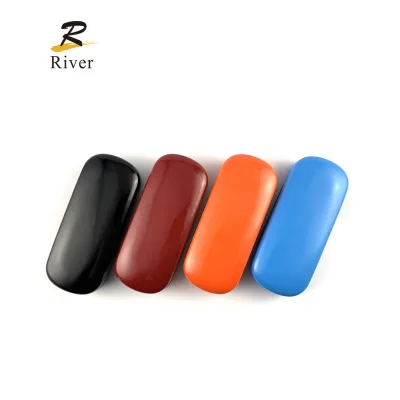
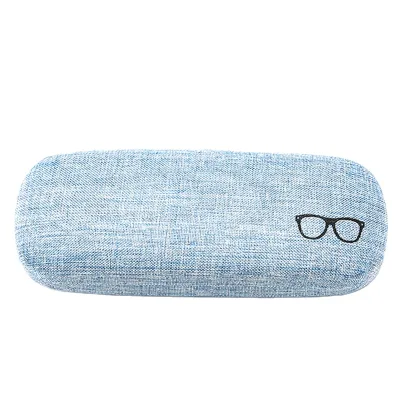


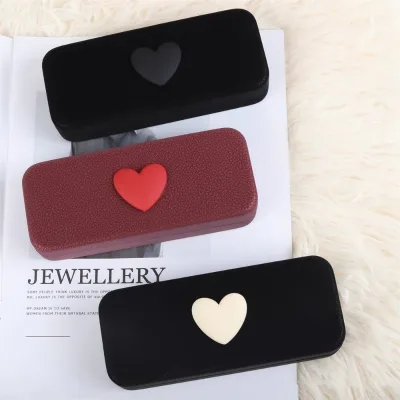


Comprehensive Sourcing Guide
Color Customized Spectacle Case Sourcing Guide
Buyers seeking color customized spectacle cases must first distinguish between general-purpose PU leather options and specialized metal or mirror-backed units. The market offers distinct product lines where some items feature simple, patterned designs suitable for retail display, while others prioritize functional attributes like waterproofing or recyclability. Understanding these material differences is critical, as PU cases often emphasize aesthetic customization, whereas metal or cardboard variants may focus on structural durability for specific retail environments.
Procurement decisions should also account for the specific dimensions and folding mechanisms observed in current listings. While some cases are designed as unfolded, handcrafted units with standard export packaging, others may be compact, rectangular, or square shapes intended for specific storage needs. Buyers must verify whether the supplier can accommodate the required shape and size, such as the 85mm by 187mm or 163mm by 70mm specifications, to ensure the final product fits the intended inventory or display requirements.
Product Scope and Observed Listing Signals
The available product range includes PU leather cases with simple, patterned designs alongside metal and cardboard options featuring mirror or solid back types. Listings indicate that customization is widely available, allowing buyers to tailor colors and branding for retail shops, shopping malls, or promotional events. These products often serve diverse applications ranging from jewelry and cosmetics to electronic products and greeting cards, requiring a flexible supplier capable of handling varied usage scenarios.
Buyers should note that product attributes vary significantly, with some items featuring LED lighting or specific shelf types like floating or cubby shelves. While many cases are lightweight and easy to clean, others may include specialized finishes such as polished, painted, or laminated waxed surfaces. It is essential to confirm whether the specific listing supports the desired feature set, such as waterproof capabilities or recyclable materials, to align with the buyer's sustainability and functional goals.
Technical Specifications to Verify
Dimensional accuracy is a primary verification step, as observed listings show a wide variance in standard sizes ranging from 10x0.2x10 cm to 163mm by 70mm. Buyers must explicitly confirm the exact model number, such as ACA25014 or ACA25022, to ensure the physical dimensions match the intended storage or display needs. Relying on generic descriptions can lead to mismatches, so requesting precise technical drawings or physical samples is necessary to validate the fit for specific eyewear or accessory types.
Material composition and finish types also require strict verification to ensure durability and aesthetic consistency. While PU is common for general cases, metal and cardboard options offer different structural properties, with finishes ranging from polished to painted or laminated waxed surfaces. Buyers should confirm the specific finish type and material grade, especially if the product requires waterproofing or high-quality recyclability, to prevent performance issues in retail or promotional environments.
Compliance and Safety Documentation
Safety and certification requirements vary by product type, with some listings explicitly mentioning LED lighting certifications like CE or UL. Buyers sourcing cases with integrated lighting must verify that the electrical components meet the necessary safety standards for the target market. It is crucial to request specific test reports for any electronic features to ensure compliance with local regulations, as the presence of LED lighting introduces additional safety considerations beyond standard packaging materials.
For general cases without electronic components, buyers should focus on material safety and environmental compliance. While some products are marked as recyclable, verifying the specific environmental standards or certifications, such as BSCI or ISO 9001, adds a layer of assurance regarding ethical manufacturing and quality management. Buyers must confirm that the supplier can provide documentation proving the materials meet relevant safety and environmental standards for the intended region of sale.
Cost Drivers and Commercial Terms
Pricing in this category is highly variable, with observed ranges spanning from $0.02 to $588 depending on material, customization level, and order volume. The cost is significantly influenced by the choice between simple PU leather cases and more complex metal or LED-integrated units. Buyers should anticipate that higher customization levels, such as specific colors or branding, will increase the unit price, while bulk orders may offer economies of scale that reduce the per-unit cost.
Minimum Order Quantities (MOQs) also play a critical role in commercial terms, with observed ranges extending from 1 to 1200 units. Smaller MOQs allow for testing new designs or colors with lower financial risk, but larger orders are often required to achieve competitive pricing tiers. Buyers must negotiate clear terms regarding packaging, such as the standard 1PC/PE bag or 120PCS/carton configurations, to ensure logistics costs are factored into the total landed cost.
Supplier Qualification and Quality Control
Supplier qualification should prioritize manufacturers with proven experience in producing customized spectacle cases for retail and promotional use. Buyers must verify the supplier's ability to handle specific production processes, such as polishing, painting, or laminating, to ensure the final product meets the required aesthetic and functional standards. Checking the supplier's origin, such as Danyang, Wenzhou, or Guangdong, can provide insights into their manufacturing capabilities and supply chain reliability.
Quality control protocols must be established to verify that the finished products match the agreed-upon specifications and designs. Buyers should implement a rigorous inspection process to check for defects in the finish, such as uneven painting or poor polishing, and to confirm that the dimensions and folding mechanisms function correctly. Establishing clear acceptance criteria for features like waterproofing and recyclability is essential to maintain product integrity and customer satisfaction.
Long-Term Procurement Checks
Sustaining a successful procurement relationship requires regular audits of the supplier's ability to maintain consistent quality and customization capabilities over time. Buyers should monitor the supplier's adherence to agreed-upon standards, such as the specific model numbers and dimensions, to ensure that future orders match the initial samples. Continuous communication regarding design updates or material changes is vital to prevent discrepancies in the final product delivery.
Long-term checks should also include an evaluation of the supplier's responsiveness to market trends and their ability to adapt to new requirements. As the market for customized spectacle cases evolves, suppliers must demonstrate flexibility in offering new colors, finishes, or functional features like LED lighting. Regular performance reviews will help identify any potential issues early, ensuring that the supply chain remains robust and capable of meeting the buyer's evolving needs.
FAQs
Can the color of the spectacle case be customized to my brand palette?
Yes, color customization is available for these handmade PU glasses cases. You can request specific shades matched to your brand palette, subject to material dyeing feasibility and order quantity. Provide a Pantone reference or physical sample when requesting a quotation, and confirm the customization details with the supplier before production begins to ensure the finished color meets your expectations.
What material is used for these handmade glasses cases?
These spectacle cases are made of PU, a durable and easy-to-clean material suitable for everyday eyewear protection. PU allows flexible color customization and supports a simple finished style. Because listings vary, confirm the exact PU grade, thickness, and lining with the supplier for the model you are sourcing, since different models may use slightly different material constructions.
What sizes are available for the color customized spectacle case?
Listed models come in several sizes, including 10X0.2X10 cm, 85mm x 187mm, 155mm x 60mm, and 163mm x 70mm under model numbers ACA25014, ACA25021, and ACA25022. These dimensions cover both flat pouch-style and structured cases. Measure your frame dimensions before ordering and confirm the internal usable size with the supplier, since stated standards may refer to external measurements.
How are the glasses cases packed for export shipment?
Standard export packing is a paper envelope, while another listed packing format is 1 piece per PE bag, 12 pieces per inner box, and 120 pieces per carton. Confirm which packing arrangement applies to your chosen model. If you need retail-ready packaging, printed inserts, or barcodes, discuss these requirements with the supplier before confirming the order and carton marking details.
Which models of the spectacle case support customization options?
Models ACA25014, ACA25021, and ACA25022 are listed with customization available, which typically covers color selection on the PU surface. Customization scope can also include size adjustments and packaging depending on the factory. Always request written confirmation of what can be customized, minimum quantities for custom work, any tooling or setup fees, and realistic production timelines before placing a sample order.
Where are these color customized spectacle cases produced?
Listed production origins include Danyang and Wenzhou, China, both established regions for eyewear and eyewear accessories manufacturing. Sourcing from these clusters gives access to factories experienced in PU case production and color matching. When comparing suppliers, ask about factory location, production capacity, and quality control processes, and verify whether the quoted origin matches where goods will actually ship from.
How do I request a sample of the color customized spectacle case?
Contact the supplier with your target model number, such as ACA25021, your required size, and your preferred color reference. Ask whether a pre-production sample can be made in your custom color and what the sample cost and courier charges are. Review the sample for stitching, zipper or closure quality, and color accuracy before approving mass production, and keep a signed reference sample.
What should I check for quality when ordering PU spectacle cases?
Inspect stitching evenness, edge finishing, closure function, and the consistency of the custom color across the batch. Check the PU surface for scratches, bubbling, or odor, and confirm the lining protects lenses from scratches. Agree on an acceptable quality limit with the factory, request inspection before shipment, and clarify how defective pieces are handled under your purchase agreement.